Polyethylene Plastic Film: Versatile Packaging Solutions for Superior Product Protection

Get a Free Quote

Our representative will contact you soon.
Email
Name
Company Name
Message
0/1000

polyethylene plastic film

Polyethylene plastic film represents one of the most versatile and widely adopted packaging materials in modern industry. This thermoplastic polymer film is manufactured through extrusion processes that transform polyethylene resin into thin, flexible sheets with remarkable protective properties. The material comes in various densities, including low-density polyethylene (LDPE), linear low-density polyethylene (LLDPE), and high-density polyethylene (HDPE), each offering distinct characteristics suited to specific applications. The primary functions of polyethylene plastic film include moisture barrier protection, contamination prevention, product preservation, and secure packaging for transportation and storage. Its technological features encompass excellent tensile strength, superior puncture resistance, outstanding clarity for product visibility, and exceptional sealing capabilities that ensure package integrity. The film demonstrates remarkable flexibility across temperature ranges, maintaining performance in both cold storage environments and ambient conditions. Manufacturing processes allow for customization in thickness, width, color, and surface treatments to meet diverse industry requirements. Polyethylene plastic film finds extensive applications across multiple sectors, including food packaging where it protects perishable goods from spoilage, agricultural uses such as greenhouse coverings and mulch films, industrial applications for wrapping palletized goods, medical packaging requiring sterile barriers, and consumer products needing protective enclosures. The construction industry utilizes it as vapor barriers and temporary protective coverings, while the textile sector employs it for garment packaging. Its chemical resistance makes it suitable for packaging products that might react with other materials, and its lightweight nature reduces shipping costs while maintaining product protection. The film can be produced in various forms including shrink wrap, stretch film, and lay-flat tubing, each designed for specific packaging methodologies and end-use requirements.
New Products

Polyethylene plastic film delivers substantial cost savings compared to alternative packaging materials while maintaining superior protective qualities. Businesses benefit from reduced material expenses because the film's lightweight construction means less raw material is needed to achieve effective packaging. Transportation costs decrease significantly since the film adds minimal weight to shipped products, allowing companies to maximize payload capacity and reduce fuel consumption. The material's durability translates to fewer damaged goods during transit, eliminating replacement costs and maintaining customer satisfaction. Production efficiency improves dramatically because polyethylene plastic film processes quickly through automated packaging lines, increasing throughput without requiring additional labor. The film's excellent sealing properties create airtight packages that extend product shelf life, reducing waste from spoilage and allowing longer distribution windows. This extended preservation capability enables businesses to reach distant markets and maintain inventory flexibility. Environmental considerations have evolved with modern polyethylene plastic film production, as many manufacturers now offer recyclable options that support sustainability initiatives while delivering the same protective benefits. The material's transparency allows consumers to inspect products before purchase, building trust and reducing returns. Customization options enable brands to print directly on the film, eliminating separate labeling costs while creating attractive packaging that enhances product appeal. The film's moisture resistance protects contents from humidity damage, particularly valuable for products sensitive to water exposure such as electronics, documents, and moisture-sensitive foods. Its chemical stability ensures that the packaging material does not react with or contaminate the products it protects, maintaining product integrity and safety. Temperature tolerance allows polyethylene plastic film to perform reliably in refrigerated storage, frozen environments, and heated conditions without compromising its protective properties. The material's puncture resistance withstands handling stress throughout the supply chain, from manufacturing facilities through distribution centers to retail environments. Storage efficiency improves because the film occupies minimal space in roll form, reducing warehouse requirements and simplifying inventory management. Quick changeover between different film specifications on packaging equipment minimizes downtime and supports diverse product lines. The film's static properties can be modified to either cling to products or resist static buildup, depending on application requirements. Its barrier properties can be enhanced through multi-layer constructions or coatings to provide additional protection against oxygen, light, or specific chemicals when needed for specialized applications.

Latest News

Shanghai Lejing Building Materials Co., Ltd. Expands Global Presence with Strategic Client Visits in Kenya, Kazakhstan, Ghana, and the Philippines

25

Mar

Shanghai Lejing Building Materials Co., Ltd. Expands Global Presence with Strategic Client Visits in Kenya, Kazakhstan, Ghana, and the Philippines

View More
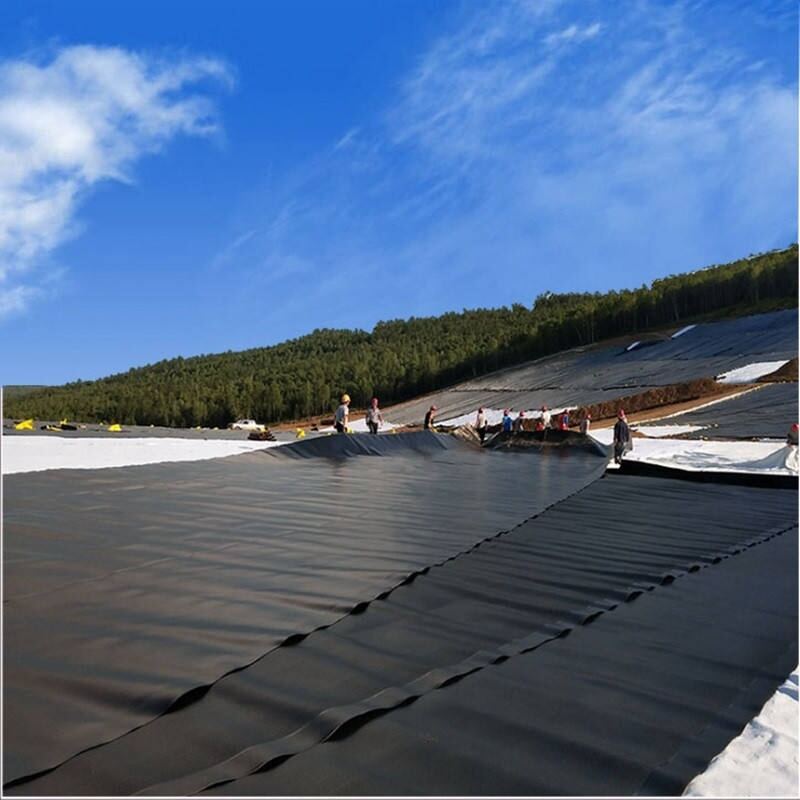
High-Performance HDPE Geomembrane – Engineered for Liquid Barrier & Environmental Protection

27

Apr

High-Performance HDPE Geomembrane – Engineered for Liquid Barrier & Environmental Protection

View More
High-Performance Water Storage Drainage Board – Engineered for Stormwater Management, Storage & Thermal Insulation

27

Apr

High-Performance Water Storage Drainage Board – Engineered for Stormwater Management, Storage & Thermal Insulation

View More

Get a Free Quote

Our representative will contact you soon.
Email
Name
Company Name
Message
0/1000

polyethylene plastic film

Superior Moisture Barrier Protection Ensures Product Integrity

Superior Moisture Barrier Protection Ensures Product Integrity

Polyethylene plastic film excels as a moisture barrier, providing critical protection that preserves product quality throughout storage and distribution cycles. This protective capability stems from the material's molecular structure, which creates a dense barrier that water molecules cannot easily penetrate. For businesses handling moisture-sensitive products, this feature prevents costly damage that occurs when humidity compromises product integrity. Food manufacturers rely on this moisture resistance to maintain freshness, prevent bacterial growth, and extend shelf life without requiring additional preservatives. The film's barrier properties remain consistent across varying humidity levels, ensuring reliable protection whether products move through humid coastal regions or arid inland areas. Agricultural applications benefit tremendously from this moisture control, as greenhouse coverings made from polyethylene plastic film regulate internal humidity while protecting crops from external weather conditions. The material's ability to prevent moisture transmission works bidirectionally, keeping external moisture out while retaining necessary internal moisture for products that require specific humidity levels. Pharmaceutical packaging utilizes this moisture barrier to protect medications from degradation caused by humidity exposure, ensuring drug efficacy throughout their shelf life. Electronics manufacturers depend on polyethylene plastic film to shield sensitive components from moisture damage during shipping and storage, preventing corrosion and electrical failures. The construction industry employs the film as vapor barriers in building envelopes, controlling moisture migration that could lead to structural damage or mold growth. Document preservation benefits from this moisture protection, as important papers, photographs, and archival materials remain safe from humidity-related deterioration. The film's moisture barrier performance does not degrade over time, providing consistent protection throughout the package's intended lifespan. This reliability eliminates the need for frequent package inspection or replacement, reducing operational costs and labor requirements. Manufacturing processes can enhance the moisture barrier properties through multi-layer constructions that combine different polyethylene densities, creating optimized barriers for specific applications. The material's flexibility allows it to conform to product shapes while maintaining complete moisture protection, unlike rigid barriers that may leave gaps or weak points. Testing standards verify moisture barrier performance, giving businesses confidence in the protection level their packaging provides.
Exceptional Versatility Across Multiple Industries and Applications

Exceptional Versatility Across Multiple Industries and Applications

The remarkable versatility of polyethylene plastic film makes it an indispensable material across diverse industries, each leveraging its unique properties to solve specific packaging and protection challenges. Food service operations utilize the film for wrapping fresh produce, meats, and prepared foods, taking advantage of its clarity that allows customers to see products while maintaining hygiene standards. Bakeries wrap bread and pastries in polyethylene plastic film to retain freshness and prevent contamination during display and transport. Dairy processors package cheese, butter, and other products using the film's excellent sealing properties that prevent spoilage and maintain flavor integrity. The agricultural sector employs polyethylene plastic film in numerous applications beyond simple packaging, including silage covers that protect animal feed from weather damage, pond liners that prevent water seepage, and fumigation films that contain soil treatments. Greenhouse operators choose the film for its light transmission properties that support plant growth while providing weather protection and temperature control. Mulch films made from polyethylene plastic film suppress weed growth, retain soil moisture, and regulate ground temperature, increasing crop yields while reducing water consumption and herbicide use. Industrial manufacturers wrap machinery, equipment, and component parts in the film to prevent dust accumulation, moisture damage, and scratches during storage or shipment. The automotive industry uses polyethylene plastic film to protect vehicle interiors during manufacturing and transport, maintaining pristine condition until customer delivery. Furniture manufacturers cover upholstered pieces and finished wood surfaces with the film, preventing damage from handling and environmental exposure. Textile companies package garments in polyethylene plastic film to maintain cleanliness and prevent wrinkles during distribution to retail locations. Medical device manufacturers rely on the film for sterile barrier packaging that protects instruments and supplies from contamination while allowing sterilization processes to penetrate. Pharmaceutical companies package bulk ingredients and finished medications using the film's chemical resistance and moisture barrier properties. The printing industry protects paper stocks, finished printed materials, and sensitive substrates with polyethylene plastic film that prevents moisture damage and physical wear. Electronics manufacturers create custom bags and covers from the film to protect circuit boards, displays, and assembled devices from static electricity, dust, and moisture during assembly and shipping. Construction sites use the film as temporary weather barriers, protecting building materials and work areas from rain and wind. Landscaping operations cover soil, mulch, and plant materials with the film during transport and installation.
Cost-Effective Solution That Maximizes Operational Efficiency

Cost-Effective Solution That Maximizes Operational Efficiency

Polyethylene plastic film delivers exceptional value by combining affordability with performance characteristics that streamline operations and reduce total packaging costs. The material's production efficiency allows manufacturers to offer competitive pricing while maintaining quality standards, making it accessible for businesses of all sizes from small operations to large enterprises. Raw material costs remain relatively stable compared to alternative packaging materials, enabling better budget forecasting and cost control. The film's lightweight nature directly impacts shipping expenses, as packages weigh significantly less than those using heavier packaging materials, allowing businesses to ship more products per load and reduce freight charges. This weight advantage becomes particularly valuable for companies shipping high volumes or operating on thin profit margins where every cost reduction contributes to competitiveness. Labor efficiency improves substantially when using polyethylene plastic film because automated packaging equipment processes the material quickly and reliably, reducing the workforce needed for packaging operations. Manual packaging tasks become faster and less physically demanding since the film's flexibility and light weight make it easy to handle, wrap, and seal products without specialized tools or extensive training. Storage space requirements decrease dramatically because polyethylene plastic film stores compactly on rolls, occupying a fraction of the space needed for rigid packaging materials like boxes or containers. This space efficiency reduces warehouse costs and simplifies inventory management, as businesses can stock adequate packaging supplies without dedicating excessive storage areas. The film's durability minimizes product damage during handling and transit, eliminating costs associated with returns, replacements, and customer dissatisfaction. Quality control becomes more straightforward because the film's transparency allows visual inspection of packaged products without opening packages, reducing inspection time while maintaining quality standards. Maintenance costs for packaging equipment remain low when using polyethylene plastic film because the material processes cleanly without generating excessive dust or residue that could damage machinery. Changeover times between different products or package sizes decrease since switching film rolls takes minimal time compared to reconfiguring equipment for different rigid packaging formats. The film's compatibility with various sealing methods including heat sealing, adhesive sealing, and mechanical closure provides flexibility in equipment choices and allows businesses to select systems matching their budget and production requirements. Waste reduction contributes to cost savings as polyethylene plastic film generates minimal trim waste during packaging operations, and many recycling programs now accept the material, potentially creating revenue from waste streams. Energy consumption during packaging operations remains low because sealing polyethylene plastic film requires less heat and shorter cycle times than many alternative materials. The material's long shelf life means businesses can purchase in bulk to capture volume discounts without risking material degradation during storage.