Polyethylene Film Price Guide: Cost-Effective Protection Solutions for Every Industry

Get a Free Quote

Our representative will contact you soon.
Email
Name
Company Name
Message
0/1000

polyethylene film price

Polyethylene film price represents a critical consideration for businesses seeking cost-effective packaging and protective solutions across multiple industries. This versatile material, derived from polyethylene resin, offers exceptional value through its combination of durability, flexibility, and affordability. Understanding polyethylene film price dynamics helps companies make informed purchasing decisions that balance quality requirements with budget constraints. The pricing structure reflects various factors including raw material costs, film thickness, width specifications, and order quantities. Polyethylene film serves as a fundamental packaging material in agriculture, construction, food service, manufacturing, and retail sectors. Its main functions include moisture barrier protection, product containment, surface protection, and contamination prevention. The technological features of polyethylene film encompass excellent tensile strength, tear resistance, and chemical stability. Modern manufacturing processes enable customization of film properties such as transparency, color, thickness ranging from 0.5 mil to 6 mil or higher, and surface treatments for enhanced adhesion or slip properties. Applications span greenhouse covering, construction vapor barriers, pallet wrapping, food packaging, drop cloths, and temporary enclosures. The polyethylene film price varies significantly based on film type, with low-density polyethylene (LDPE) typically offering different pricing than linear low-density polyethylene (LLDPE) or high-density polyethylene (HDPE) variants. Bulk purchasing often yields substantial cost savings, making polyethylene film price particularly attractive for high-volume users. The material's recyclability adds environmental value while potentially reducing long-term disposal costs. Market conditions, petroleum prices, and manufacturing capacity influence polyethylene film price fluctuations, requiring buyers to stay informed about industry trends. Comparing polyethylene film price across suppliers reveals opportunities for cost optimization without sacrificing performance standards. The investment in quality polyethylene film delivers returns through reduced product damage, extended shelf life, and improved operational efficiency across diverse applications.
New Products

The advantages of polyethylene film price extend far beyond simple cost considerations, delivering tangible benefits that impact your bottom line and operational efficiency. First, the affordability of polyethylene film makes it accessible to businesses of all sizes, from small startups to large corporations. This democratic pricing structure means you can protect your products, equipment, and materials without straining your budget. The polyethylene film price point allows for generous usage without second-guessing every application, enabling comprehensive protection strategies. You gain peace of mind knowing that cost-effective solutions do not require compromising on quality or performance. Second, the relationship between polyethylene film price and volume purchasing creates significant savings opportunities. Ordering larger quantities reduces per-unit costs substantially, allowing you to stock adequate supplies while maximizing budget efficiency. This bulk pricing advantage means your purchasing power grows with your business needs. Third, polyethylene film offers exceptional versatility at its price point, eliminating the need for multiple specialized materials. One product serves numerous functions across different departments and applications, simplifying inventory management and reducing procurement complexity. You save time and administrative costs by consolidating suppliers and streamlining ordering processes. Fourth, the durability inherent in polyethylene film means each roll delivers extended service life, reducing replacement frequency and associated labor costs. The material resists tearing, puncturing, and environmental degradation, ensuring your investment continues performing over time. Fifth, polyethylene film price includes inherent moisture resistance that protects against water damage, condensation, and humidity-related deterioration. This protective capability prevents costly product losses, warranty claims, and customer dissatisfaction. Sixth, the lightweight nature of polyethylene film reduces shipping costs and handling labor compared to heavier protective materials. You move more protection with less effort and expense. Seventh, the transparency options available at competitive polyethylene film price points enable visual inspection without unwrapping, saving time during quality control and inventory management. Eighth, the chemical resistance of polyethylene film protects against various substances without requiring expensive specialized coatings. Ninth, the flexibility of polyethylene film conforms to irregular shapes and surfaces, providing complete coverage without gaps or weak points. This adaptability means one material handles diverse protection needs effectively. Tenth, the recyclability of polyethylene film aligns with sustainability goals while potentially generating revenue through recycling programs, offsetting initial polyethylene film price investments. These combined advantages demonstrate how polyethylene film price represents not merely an expense but a strategic investment in operational excellence, product protection, and long-term cost management.

Tips And Tricks

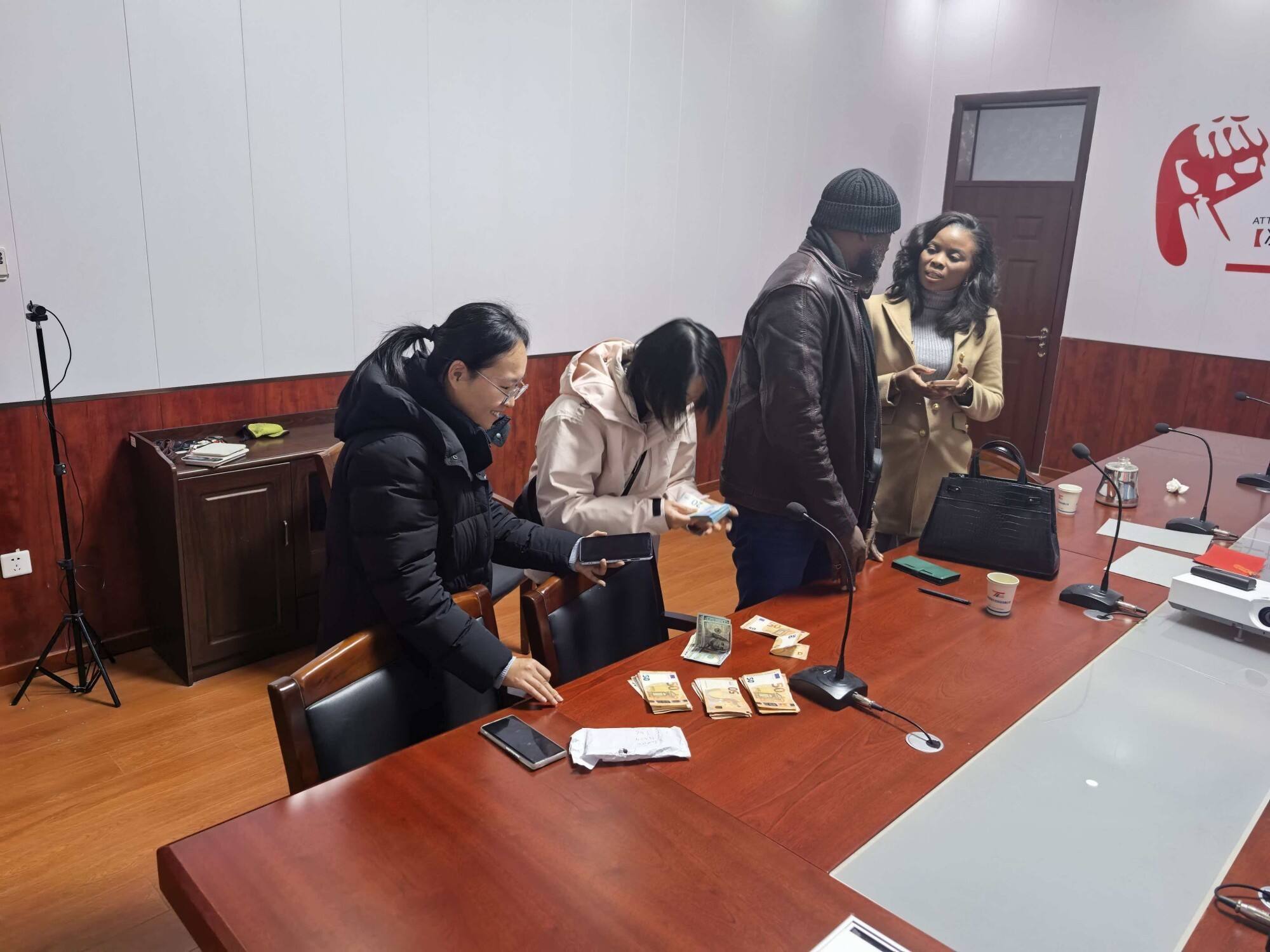
Shanghai Lejing Building Materials Co., Ltd. Expands Global Presence with Strategic Client Visits in Kenya, Kazakhstan, Ghana, and the Philippines

25

Mar

Shanghai Lejing Building Materials Co., Ltd. Expands Global Presence with Strategic Client Visits in Kenya, Kazakhstan, Ghana, and the Philippines

View More
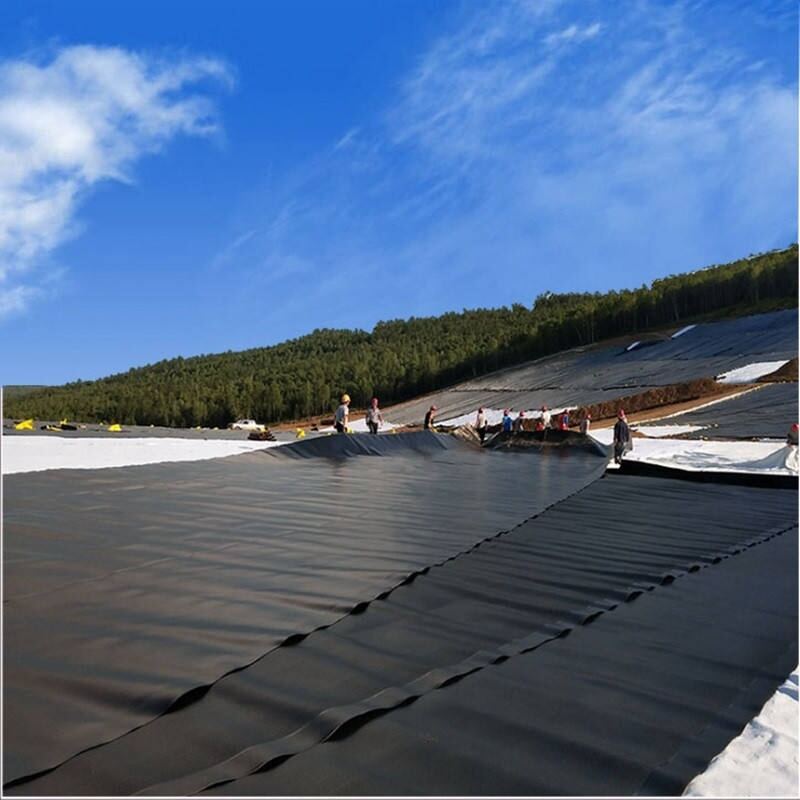
High-Performance HDPE Geomembrane – Engineered for Liquid Barrier & Environmental Protection

27

Apr

High-Performance HDPE Geomembrane – Engineered for Liquid Barrier & Environmental Protection

View More
High-Performance Water Storage Drainage Board – Engineered for Stormwater Management, Storage & Thermal Insulation

27

Apr

High-Performance Water Storage Drainage Board – Engineered for Stormwater Management, Storage & Thermal Insulation

View More

Get a Free Quote

Our representative will contact you soon.
Email
Name
Company Name
Message
0/1000

polyethylene film price

Cost-Effective Protection That Scales With Your Business Growth

Cost-Effective Protection That Scales With Your Business Growth

The polyethylene film price structure delivers unmatched value for businesses seeking scalable protection solutions that grow alongside operational demands. This economic advantage stems from the material's efficient manufacturing process and widespread availability, creating a competitive marketplace that benefits end users. When you examine polyethylene film price in context of protection per dollar spent, the value proposition becomes immediately clear. A single roll provides hundreds or thousands of square feet of coverage, translating to pennies per protected item or surface area. This cost efficiency enables comprehensive protection strategies that would be prohibitively expensive with alternative materials. The scalability factor proves particularly valuable as your business expands. Initial small-volume purchases at reasonable polyethylene film price points allow startups and growing companies to implement professional-grade protection without significant capital investment. As operations scale, volume discounts on polyethylene film price create even greater savings, ensuring that protection costs grow more slowly than revenue. This favorable economic scaling supports sustainable business growth. The polyethylene film price advantage extends to reduced waste and disposal costs. The material's strength means less frequent replacement, while its lightweight composition minimizes disposal fees and transportation costs for waste removal. Many recycling programs accept polyethylene film, potentially converting waste into revenue streams that further offset the initial polyethylene film price investment. Businesses implementing comprehensive recycling programs often discover that recovered material value significantly reduces net protection costs. The versatility inherent at this polyethylene film price point eliminates the need for maintaining multiple specialized protective materials in inventory. One product serves applications ranging from moisture barriers to dust covers, from pallet wrapping to equipment protection. This consolidation reduces inventory carrying costs, simplifies procurement processes, and minimizes the risk of stockouts that could halt operations. The administrative savings alone justify the polyethylene film price for many organizations. Furthermore, the protective capabilities delivered at this polyethylene film price prevent far more expensive problems. Water damage, contamination, scratches, and environmental degradation can destroy products worth hundreds or thousands of times the cost of preventive protection. The insurance value of polyethylene film far exceeds its purchase price, making it one of the highest-return investments in operational supplies. Smart businesses recognize that polyethylene film price represents not an expense but a cost-avoidance strategy that protects profit margins and customer satisfaction.
Superior Performance Characteristics That Exceed Price Expectations

Superior Performance Characteristics That Exceed Price Expectations

The performance delivered at the prevailing polyethylene film price defies conventional expectations about the relationship between cost and capability. This material combines multiple high-performance characteristics that individually would command premium pricing, yet polyethylene film price remains remarkably accessible. The tensile strength of polyethylene film resists tearing and puncturing under stress, maintaining integrity even when stretched over irregular surfaces or subjected to handling during shipping and storage. This durability means each application of polyethylene film continues protecting long after installation, maximizing the value extracted from the polyethylene film price paid. The material does not degrade quickly under normal conditions, avoiding the frequent replacement cycles that inflate total cost of ownership for inferior alternatives. Moisture barrier properties represent another performance dimension that enhances polyethylene film price value. The material's molecular structure prevents water vapor transmission, creating effective barriers against humidity, condensation, and direct water contact. This protection proves critical in applications ranging from construction vapor barriers to food packaging, where moisture intrusion causes expensive damage. The fact that such effective moisture protection comes at the standard polyethylene film price rather than requiring specialized coatings or treatments delivers exceptional value. Chemical resistance further amplifies the performance-to-price ratio. Polyethylene film withstands exposure to many common chemicals, solvents, and cleaning agents without degrading or losing protective properties. This resistance eliminates the need for expensive chemical-resistant alternatives in many applications, allowing the favorable polyethylene film price to serve where costlier materials might otherwise be specified. The flexibility and conformability of polyethylene film enable complete coverage of complex shapes and irregular surfaces. This adaptability means you achieve thorough protection without gaps or vulnerable areas, maximizing the effectiveness of your polyethylene film price investment. Rigid alternatives often leave gaps or require custom fabrication at significant additional cost. The optical properties available at competitive polyethylene film price points include both transparent and opaque options. Transparent films enable visual inspection without removal, saving labor time and reducing handling damage. This convenience feature, included in the base polyethylene film price, streamlines quality control and inventory management processes. The temperature tolerance of polyethylene film spans a wide range, maintaining performance in both cold storage environments and moderate heat exposure. This versatility across temperature conditions means the polyethylene film price covers applications in diverse environments without requiring specialized variants. The material performs reliably whether protecting frozen goods, covering outdoor equipment, or serving as construction barriers across seasonal temperature variations.
Strategic Sourcing Advantages That Optimize Total Cost of Ownership

Strategic Sourcing Advantages That Optimize Total Cost of Ownership

Understanding polyethylene film price dynamics enables strategic sourcing decisions that optimize total cost of ownership beyond simple per-unit pricing. Sophisticated buyers recognize that the lowest polyethylene film price does not always deliver the best value when factoring in performance, reliability, and supply chain considerations. The relationship between polyethylene film price and order quantity creates opportunities for significant savings through volume commitments. Suppliers typically offer tiered pricing structures where per-unit costs decrease substantially at higher volume thresholds. Businesses that accurately forecast usage and commit to larger orders capture these savings, reducing the effective polyethylene film price by twenty to forty percent or more compared to small-quantity purchases. This volume leverage transforms polyethylene film price from a simple transaction cost into a strategic procurement advantage. The consistency of polyethylene film price from established suppliers provides budget predictability that facilitates accurate financial planning. Unlike materials subject to extreme price volatility, polyethylene film price typically moves gradually in response to raw material costs, allowing businesses to forecast protection expenses with confidence. This predictability supports accurate job costing, competitive bidding, and margin management. The availability of polyethylene film from multiple suppliers creates competitive market conditions that benefit buyers. This competition keeps polyethylene film price reasonable while incentivizing suppliers to maintain quality and service standards. Buyers can leverage competitive polyethylene film price quotes to negotiate favorable terms, secure volume discounts, and establish preferred supplier relationships that deliver additional value through reliable delivery, technical support, and flexible payment terms. The standardization of polyethylene film specifications across the industry means that polyethylene film price comparisons reflect genuine value differences rather than incompatible product variations. This standardization enables confident sourcing decisions based on polyethylene film price and supplier reliability without concerns about hidden specification differences that might compromise performance. The long shelf life of polyethylene film supports strategic inventory management that capitalizes on favorable polyethylene film price opportunities. When market conditions create temporary price advantages, businesses can increase inventory levels without risk of material degradation, effectively locking in lower costs for extended periods. This strategic flexibility transforms polyethylene film price from a recurring expense into a manageable cost that responds to procurement strategy. The total cost of ownership calculation for polyethylene film price must include application efficiency factors. Films that install quickly, conform easily, and resist tearing during application reduce labor costs that often exceed material costs. A slightly higher polyethylene film price that delivers superior handling characteristics frequently produces lower total costs than cheaper alternatives requiring more installation time or generating more waste through application failures. Smart procurement professionals evaluate polyethylene film price within this broader context, recognizing that the lowest price per roll may not deliver the lowest cost per protected item or square foot of coverage.